LaunchingPad LaunchingPad

Features

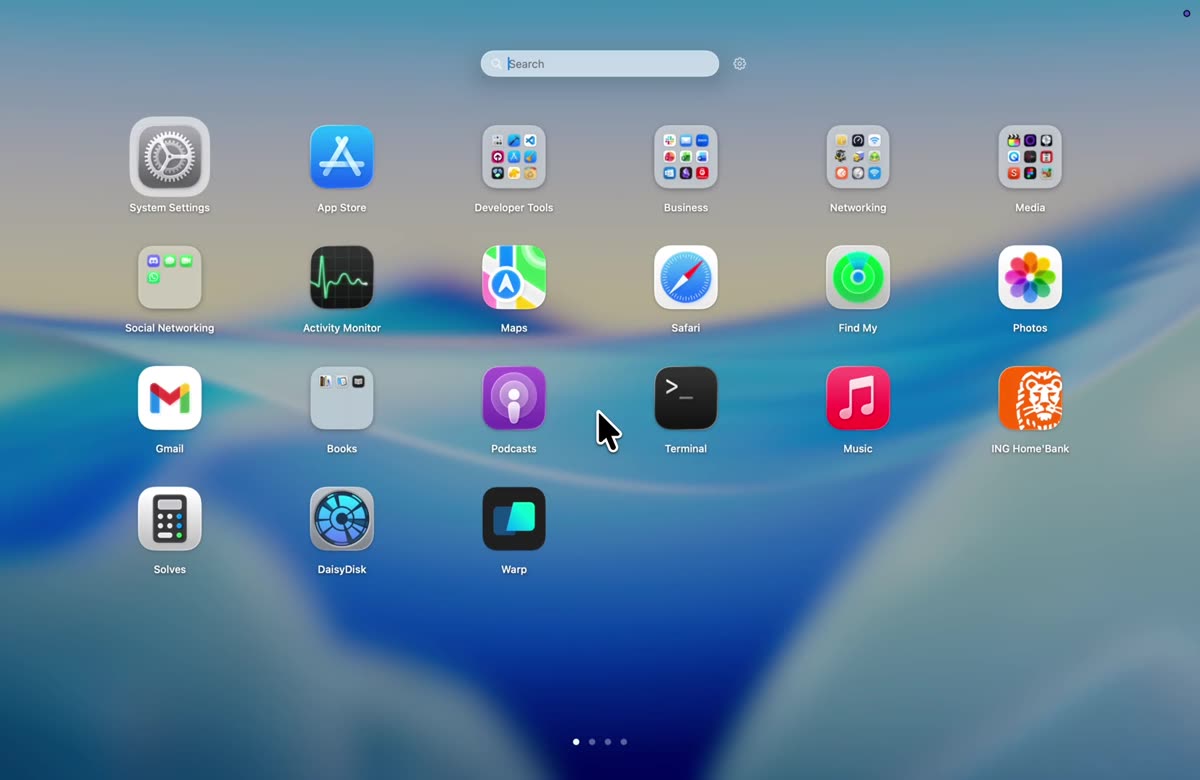
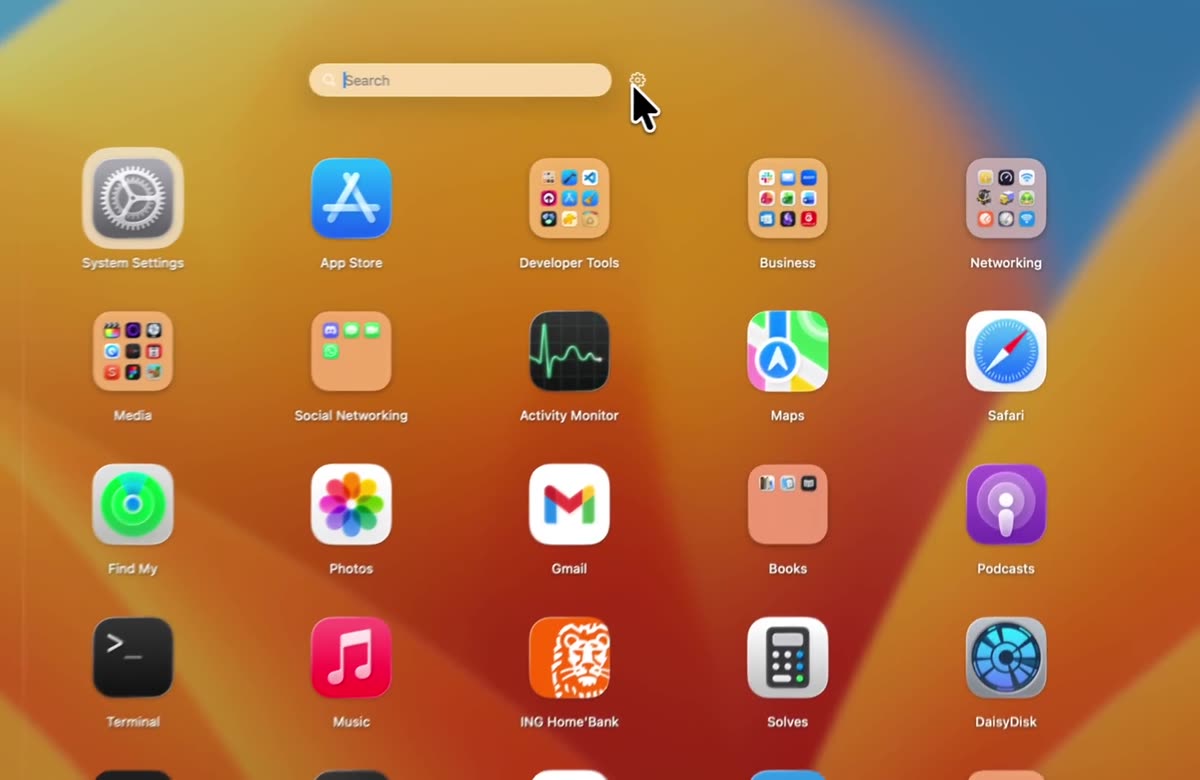
LaunchingPad is a native macOS app launcher and Launchpad replacement with fast activation, fuzzy app search, nested folders, custom layouts, clean app removal, and keyboard-first navigation.

Show the grid instantly.

Opening a launcher should be instant. LaunchingPad gives you several ways to bring up the full-screen app grid, then places it on the display and Space you are already using. It works like a native macOS app launcher, so your current workflow stays in place.

  • HotkeyUse Option-Space out of the box, or record a shortcut that fits your muscle memory.
  • GesturesOpen LaunchingPad with a trackpad pinch, the F4 key, a hot corner, or the menu bar icon.
  • ReopenOptionally return to the same page and open folder stack when you call the launcher again soon after closing it.
  • DismissPress Esc, click outside the grid, or switch apps. Focus returns to the app you were using.
LaunchingPad activation settings
ActivationHotkey, pinch, F4, corner
Keep daily apps close.

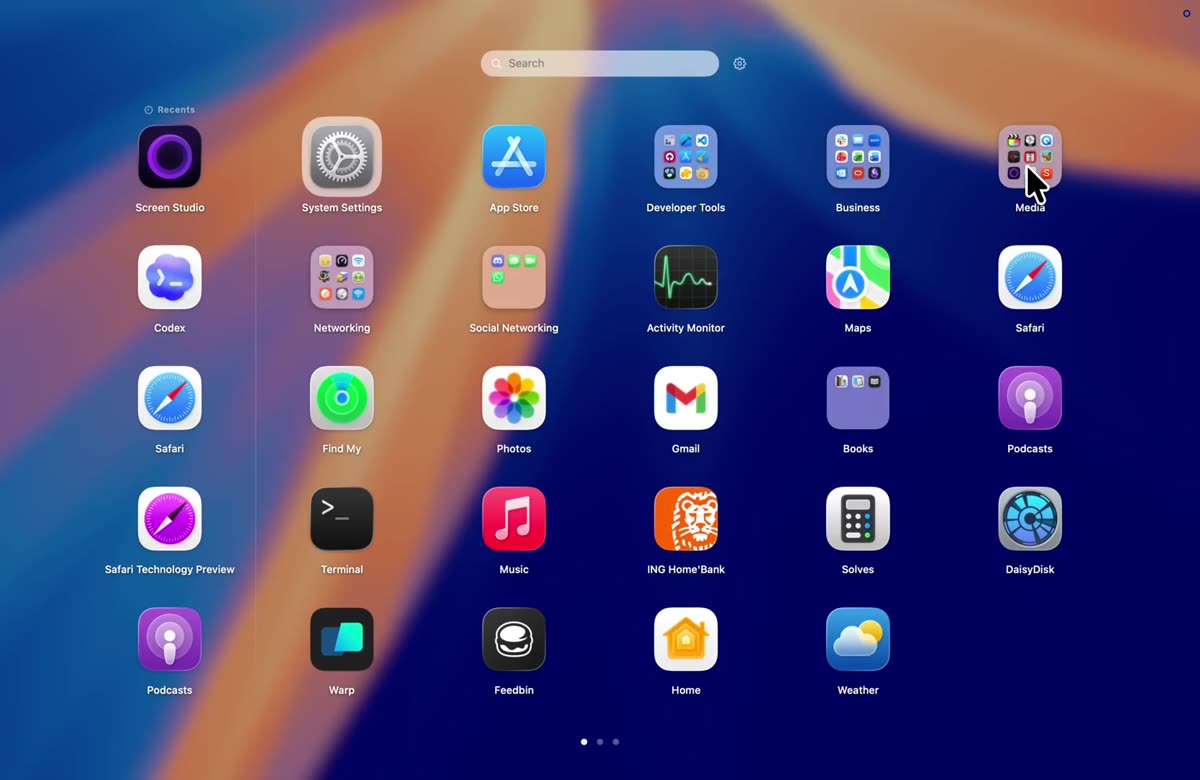
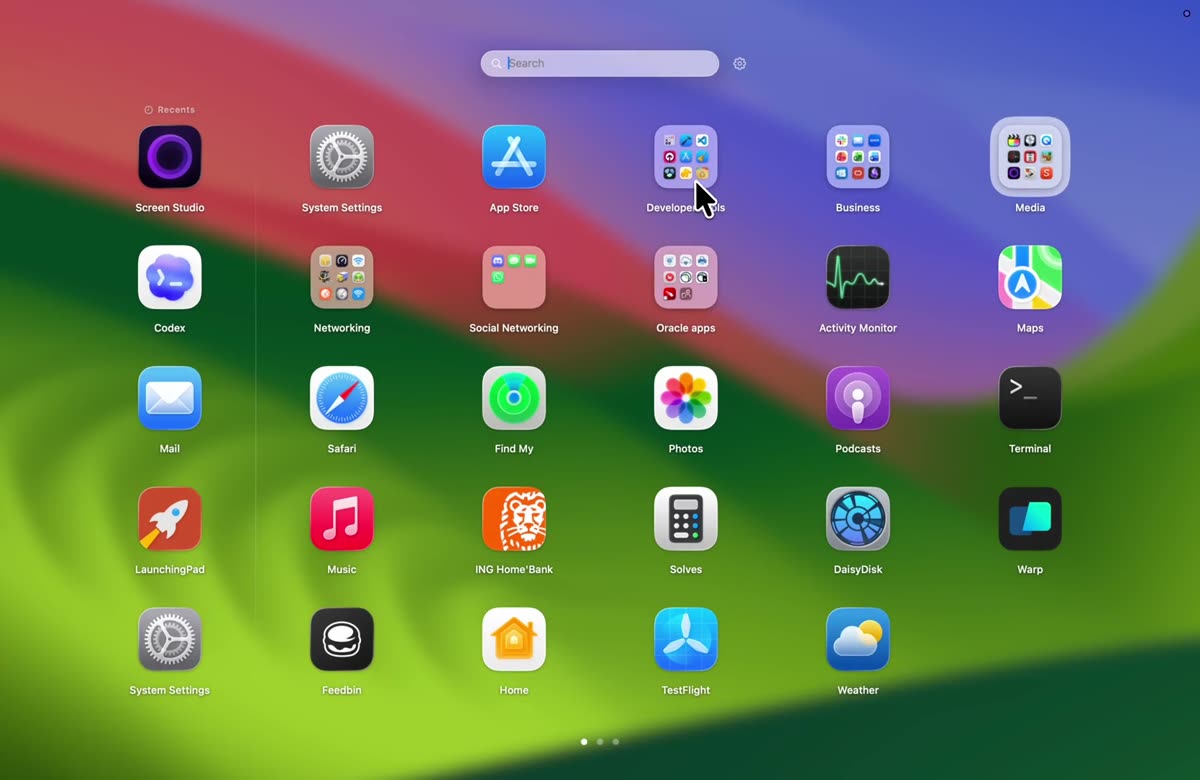
LaunchingPad can reserve dedicated space for the apps you just opened and the apps you launch most often. It is useful when your full app library is large, but your daily tools are predictable: browser, editor, calendar, chat, terminal, notes, design tools, and whatever else you touch all day.

  • RecentsShow recently opened apps in one to three columns, fixed beside every page or only on page one.
  • Most UsedSurface your most launched apps without manually pinning or duplicating icons.
Built for large librariesSpecial sections reduce the need to search for the same apps repeatedly, while the main grid remains fully organized by pages and folders.
Layout-awareWhen Recents or Most Used changes size, LaunchingPad repaginates without breaking your custom page order.
Context-awareRecent and frequent app tiles still support actions like reveal, move to folder, launch, and search-mode workspace reveal.
New AppsHighlight newly added apps in the search bar, either from the latest foreground session or apps installed today.

Put every app in its place.

LaunchingPad gives your Mac app library a stable, spatial layout again. Arrange apps across pages, create named folders, use smart folder name suggestions, and undo layout edits without rebuilding your launcher from scratch.

  • FoldersCreate folders by dragging apps together, rename them inline, and keep related tools grouped.
  • SuggestionsFolder name suggestions help turn groups of apps into readable categories without manual typing.
Spatial memoryPages and folders stay where you put them, so frequently used apps become easy to find without searching.
Clean categoriesUse folders for projects, clients, toolchains, creative apps, admin utilities, or any grouping that matches how you work.
Safe editingUndo support makes it practical to reorganize a large library without worrying about one bad drag.
PagesDrag apps across launcher pages and keep work, media, dev, system, and utility apps separated.
UndoUse Command-Z, Shift-Command-Z, or Command-Y to reverse layout edits.

Folders can contain folders.

Large app libraries need more than one flat folder level. LaunchingPad supports folder-in-folder organization, so a broad group like Design, Development, Games, or Utilities can hold smaller subfolders without crowding the main grid.

  • Parent foldersMove folders into other folders to build deeper app categories without losing the visual grid.
  • Spring-loaded dragDrag over a folder target and LaunchingPad can open the destination while the drag is still active.
  • Folder pagesOpen folders can have their own pages, rows, columns, icon scale, and spacing.
  • Break apartMove nested folders back out or break groups apart when your app library changes.
LaunchingPad folders
Nested foldersFolder in folder, paged, movable

Move many apps at once.

Reorganizing a launcher one icon at a time gets old fast. LaunchingPad supports marquee selection, selection context menus, multi-drag from the main grid, and multi-drag from open folders, so cleanup days do not turn into repetitive pointer work.

  • MarqueeDrag across the launcher surface to select a range of apps quickly.
  • ContextRight-click a selection to group apps, move them to a folder, reveal them in Finder, or hide them.
  • Multi-dragMove a selected group across pages, into folders, or out of folders in one action.
Group actionsSelections support the same useful actions you expect from individual apps: reveal, hide, group, move, and launch-related workflows.
Page-aware dragHold near an edge or use keyboard page shortcuts during a drag to move selected apps across pages.
Visual feedbackDragged groups use compact pile previews, count badges, insertion gaps, and animated settle states so the destination is clear.
From foldersStart a multi-drag inside an open folder and continue into the parent layout.

Make it fit.

A good Launchpad replacement should match your screen, not force one fixed grid. LaunchingPad lets you tune app density, icon scale, folder sizing, wallpaper style, and blur so the launcher feels comfortable on small MacBook screens and large desktop displays.

  • GridChoose 4 to 10 columns and 3 to 9 rows for a roomy or dense app launcher.
  • WallpaperMirror the current desktop wallpaper behind your icons, crisp or blurred.
  • ImagesUse a custom background image when you want the launcher to feel separate from the desktop.
  • FoldersTune open-folder icon size, spacing, maximum columns, and maximum rows.
  • LayoutsSave named arrangements and restore a known-good app layout later.
LaunchingPad appearance settings
AppearanceGrid, icons, wallpaper, arrangements

Inspect apps before you act.

LaunchingPad includes an App Info panel for understanding what an app is, where it came from, and what it declares. This turns the launcher into a practical app management surface, not just a way to open icons.

  • IdentityView version, build, bundle identifier, install path, architecture, compatibility, developer, category, and source.
  • PrivacySee declared permissions such as camera, microphone, location, photos, contacts, calendar, Bluetooth, automation, documents, and local network.
Good for cleanupBefore removing an app, you can inspect its bundle, source, and privacy declarations from the same launcher surface.
Good for trustSecurity and signing information make it easier to spot unsigned, blocked, or unusual apps.
Good for troubleshootingPath, architecture, version, build, and compatibility details are visible without digging through Finder or Info.plist files.
SecurityCheck sandboxing, hardened runtime, notarization, Gatekeeper status, signer, and certificate validity.

Remove apps deliberately.

Deleting a Mac app often leaves preferences, caches, helpers, and support folders behind. LaunchingPad can scan for related files, show you what it found, and ask for confirmation before removing anything, so app cleanup stays transparent.

  • ReviewSee the app bundle and matching Library files before starting removal.
  • SizesCleanup review calculates file and folder sizes so you know what each removal is worth.
  • App StoreMac App Store apps and wrapped iOS apps on Mac use the appropriate removal path when available.
  • ChooseSelect what should be deleted and keep anything you do not want touched.
  • ProtectSystem apps stay off-limits, and protected items use the safest available path.
LaunchingPad app cleanup review
CleanupReview first, remove second

Save, import, and restore layouts.

LaunchingPad keeps its own layout data, which makes it safer to experiment. You can save a known-good app arrangement, restore it later, import an existing macOS Launchpad layout when available, and reset to an alphabetical layout when you want a clean start.

  • ArrangementsSave named layouts with pages, folders, custom ordering, app names, and hidden apps.
  • ImportRead the legacy Launchpad database read-only, convert pages and folders, and skip unresolved apps.
Independent storeLaunchingPad stores layout data in its own JSON files and leaves Apple's Launchpad database untouched.
Hidden appsApps hidden from the launcher can be reviewed and restored later from Settings.
Missing appsRestored arrangements skip apps that are no longer installed and place newly installed apps at the end.
BackupsBefore import or restore, LaunchingPad backs up the current layout so changes are recoverable.

Your app library stays current.

A launcher is only useful if it reflects what is actually installed. LaunchingPad scans the common macOS application locations, watches for changes, and handles modern app locations such as system Cryptex apps, bundled helper apps, and wrapped iOS apps on Apple silicon Macs.

  • RootsScans Applications, System Applications, user Applications, and modern system app locations.
  • BundlesFinds helper apps inside app packages, such as tools stored in Contents/Applications.
Live watchingInstalls, removals, and renames are reconciled without discarding your folders and custom order.
Icon refreshApp icons are cached for speed and refreshed after installs settle.
Safe launch pathLaunching still goes through macOS, so Screen Time and system restrictions remain in control.
ReceiptsRecognizes Mac App Store apps and wrapped iOS apps on Mac for better metadata and cleanup behavior.

Localized for more Mac users.

LaunchingPad is internationalized across the app, so settings, onboarding, dialogs, cleanup review, app info, and launcher controls can follow the user's language. It uses the first supported macOS language by default, with a manual language picker when you want to override the system.

  • LanguagesEnglish, Spanish, French, German, Italian, and Romanian are included.
  • SystemSystem Default follows the first supported language in macOS preferences and falls back to English.
EnglishDefault fallback
SpanishEspañol
FrenchFrançais
GermanDeutsch
ItalianItaliano
RomanianRomână
ManualChoose a specific app language in Settings when the launcher should differ from macOS.

Keyboard first, mouse friendly.

LaunchingPad keeps a selected tile at all times, exposes apps and folders to VoiceOver, and respects macOS Reduce Motion and Reduce Transparency. It works with pointer gestures, but it does not require them.

Return launch Esc close Arrows move Tab next Command-F search Command-Z undo Command-1...9 jump Option-click keep open

Put your apps back where you expect them.

LaunchingPad is free, native, and built for macOS 26 Tahoe and later.

Download for macOS